
Reform UK Surges in Polls, Farage Nearing Majority: A Deep Dive
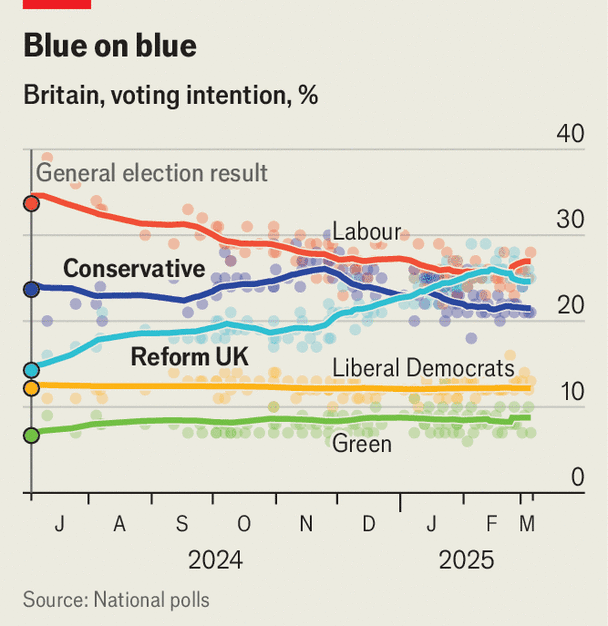
In recent months, UK politics has been rocked by a dramatic shift: Reform UK, under Nigel Farage’s renewed leadership, is not only gaining ground — it may be approaching the cusp of a parliamentary majority. The rise of Reform is reshaping traditional party dynamics, triggering speculation about the death of the Conservative mainstream and the viability of a Farage-led government.
Here’s a breakdown of what the polls say, what the implications could be, and what obstacles lie ahead.
🚀 The Surge: What the Polls Show
National Support Climbs
- The latest Ipsos poll has Reform UK leading Labour by 12 points — a striking reversal in the political landscape. Ipsos
- According to YouGov’s MRP (multi-level regression & post-stratification) projection, if an election were held now, Reform might win 311 seats — putting it just 15 short of a working majority. The Guardian+1
- In that same projection, Labour would drop to only 144 MPs, while the Conservatives would collapse to roughly 45 seats — making them a distant fourth. Sky News
- The trend is clear: Reform is rising not just in vote share but in effective seat count. The Guardian+1
Local and By-Election Gains
- In the 2025 local elections, Reform emerged as the party with the most votes, overtaking both Labour and the Conservatives in many places. Wikipedia+1
- The Runcorn & Helsby by-election was a symbolic coup: Reform overturned a Labour stronghold by just six votes. Wikipedia
- These results — though localized — reflect a wider voter realignment, signaling that Reform’s appeal is extending beyond fringe status. Wikipedia+1
🔍 Why It’s Happening: Drivers of Reform’s Momentum
Voter Fatigue with Traditional Parties
Many voters appear disillusioned with the status quo. The Conservatives are seen as fractured and adrift, while Labour is under pressure to deliver after a landslide victory. Polling suggests:
- 51% believe Keir Starmer should stand down or be replaced. Ipsos
- Despite Conservative woes, over half (52%) of respondents still believe the Conservatives could win a future general election — nearly matching the 56% for Reform. Ipsos
- But there is no widely accepted alternative to Kemi Badenoch, leading to weak support for deeper leadership challenges. Ipsos
Strategic Gains in Battlegrounds
MRP modeling suggests many of Reform’s projected gains come at the expense of Labour — particularly in swing and marginal constituencies. The Guardian+1 Meanwhile, the Conservatives are under threat of collapse in their formerly “safe” areas. Sky News+1
The Messaging Play
Reform has been able to capitalize on issues that cut across typical party lines:
- Immigration, sovereignty, and identity politics are resonating with a base dissatisfied with migration policies.
- Populist overtones and Farage’s well-known profile give the party visibility.
- They are benefiting from fragmentation in the electorate: as voters shift away from traditional allegiances, new coalitions can form rapidly.
⚠️ The Hurdles on the Path to 10 Downing Street
Rising polls do not guarantee power. There are several structural and political obstacles that could derail Reform’s trajectory.
First-Past-the-Post Fragility & MRP Uncertainty
- MRP models depend heavily on assumptions. YouGov itself notes that 82 of Reform’s seats are projected to win by less than 5 percentage points — meaning small swings could tip outcomes dramatically. The Guardian
- In some trajectories, Reform falls short of a majority and would need coalition or confidence-and-supply deals to govern. The Guardian+1
Institutional and Parliamentary Resistance
- Even if Reform emerges as the largest party, forming a government may be tough if other parties band together to block it.
- Procedural obstacles, coalition reluctance, and constitutional norms could hamper a Farage premiership.
Leadership & Internal Challenges
- Nigel Farage’s return to frontline politics brings risks — past controversies, party management issues, and public scrutiny will intensify.
- Internal coherence needs to be tested as the party transitions from outsider status to governing ambition.
Policy Realism vs. Promise
- Delivering on Reform’s platform — especially regarding immigration, public services, and fiscal stability — would demand complex trade-offs.
- Critics will test the viability of their proposals, especially in government.
🧭 What to Watch Over the Next 12–24 Months
| Indicator | Why It Matters |
|---|---|
| Polling Trends | Sustained leads — especially in multiple, independent pollsters — would cement momentum. |
| Seat Projections/MRP Updates | Shifts in modelled seat counts will be key to seeing if Reform is on track for a majority. |
| By-Election Results | Further local gains are proof points of broader voter movement. |
| Defections / Alliances | Moves by Conservative MPs toward Reform would amplify its path to power. |
| Public & Media Scrutiny | As Reform becomes a serious contender, narrative control, scandals, and reputation will be critical. |
🧾 Final Thoughts
What’s unfolding isn’t just a bump in the road for the Conservative Party — it might be a tectonic shift in British politics. Reform UK’s surge embodies the volatile realignment of voter sentiment, the breakdown of old partisan loyalties, and the potency of populist narratives in an era of disillusionment.
Whether Farage will make it all the way to No. 10 Downing Street is uncertain. But at this stage, that possibility can no longer be dismissed as fringe fantasy. The next election could look very different — and the “mainstream” parties are already scrambling to respond.