🛂 EU’s New Entry/Exit System: What Travellers Need to Know About Biometrics
Effective Date: 12 October 2025
Applies To: Non-EU nationals entering or exiting the Schengen Area, including British citizens
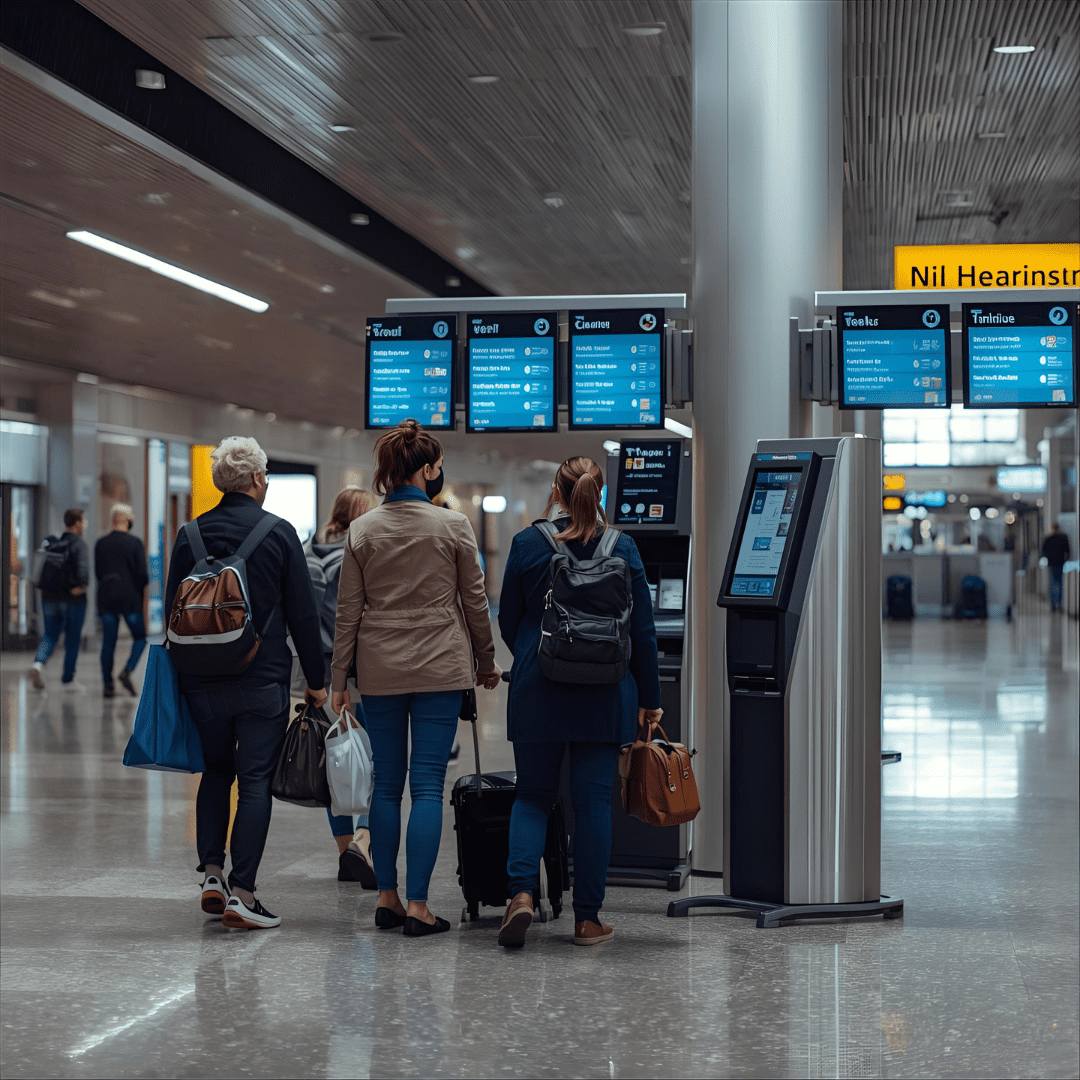
The European Union has officially launched its Entry/Exit System (EES) — a major upgrade to border control procedures that introduces biometric data collection for short-stay travellers. This system replaces manual passport stamping with a digital record of entries and exits, aiming to enhance security, streamline processing, and prevent overstays.
🔍 What Is Collected?
Under the EES, border authorities now collect:
- Facial images: Required for all travellers, regardless of age
- Fingerprints: Required for travellers aged 6 and above
These biometrics are stored securely and used to verify identity on future trips. The system applies to those entering the Schengen Area for tourism, business, or family visits — typically under the 90-day rule.
✈️ Who’s Affected?
- British citizens and other non-EU nationals
- Travellers using airports, seaports, and land borders
- Those entering for short stays (not long-term residence or work)
The EES does not apply to EU citizens or residents with long-term visas. However, it does affect family members of EU citizens who do not hold EU nationality.
🧒 Minimum Age for Biometrics
- Facial image: Required for all ages
- Fingerprints: Collected from age 6 and up
This means children aged 6 or older will be asked to provide fingerprints at border control, while younger children will only have their photo taken.
🧭 Why It Matters
The EES is designed to:
- Prevent overstays by tracking time spent in the Schengen Area
- Speed up border checks through automated systems
- Enhance security by verifying identities with biometric data
For frequent travellers, this means faster processing on future visits — but also stricter enforcement of stay limits.
📌 What to Prepare
- Ensure your passport is valid and machine-readable
- Be ready for biometric capture at border control
- Keep track of your days in the Schengen Area to avoid overstaying